
What is URS Surgery?
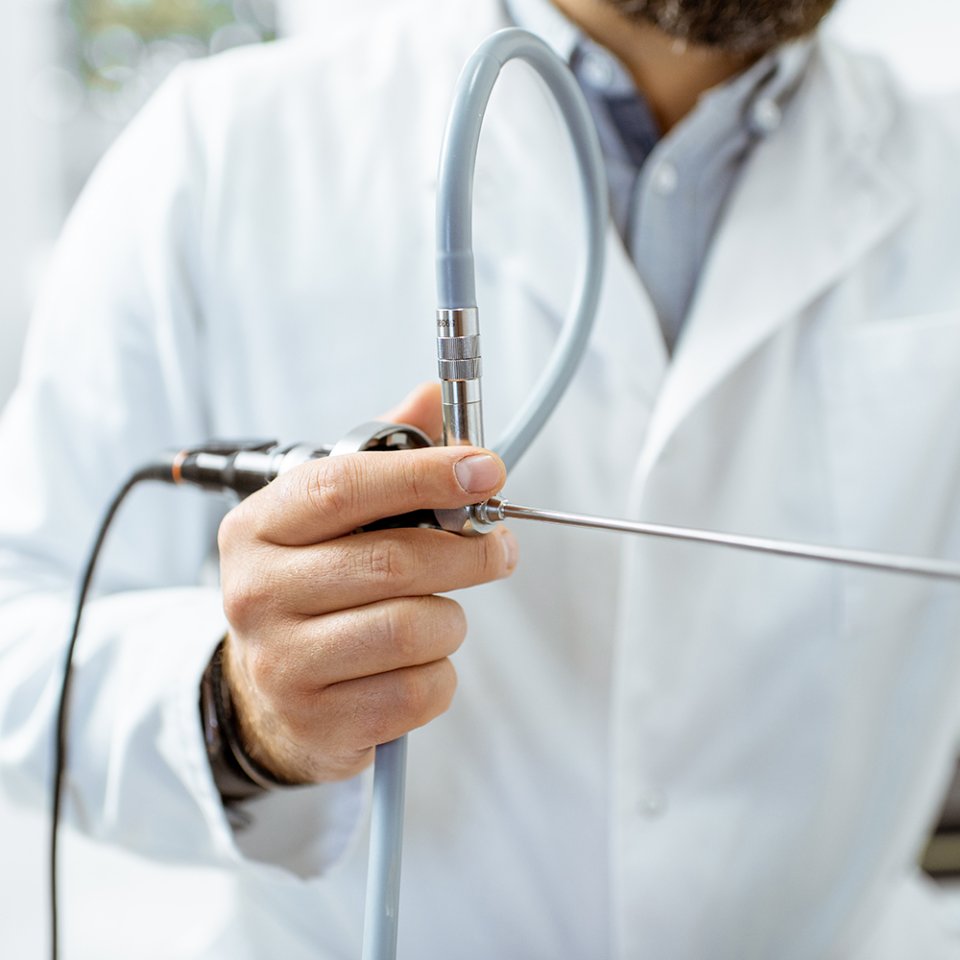
URS (Ureteroscopy) is a minimally invasive endoscopic procedure used to diagnose and treat stones located in the ureter or kidney.
A thin, flexible scope is inserted through the urinary tract without any incisions, allowing direct visualization and treatment of stones.
URS is often combined with laser lithotripsy to break stones into small fragments that can be removed or naturally passed.
It is one of the safest and most effective treatments for ureteral and small-to-medium kidney stones.
Why is URS Surgery Needed?
URS is recommended for:
-
Stones stuck in the ureter (upper, mid, or lower ureter)
-
Stones causing severe pain or urinary blockage
-
Stones not passing spontaneously
-
Patients who cannot undergo ESWL
-
Stones resistant to medications or previous treatments
-
Urinary tract infections caused by obstructive stones
It provides quick symptom relief and immediate stone removal.
Types of URS Procedures
At Büyük Anadolu Hospital, our urologists perform:
Flexible Ureteroscopy (f-URS)
Ideal for kidney stones and upper ureter stones.
Semi-Rigid Ureteroscopy
Effective for lower ureteral stones.
Laser URS (Laser Ureteroscopy)
High-energy laser breaks stones into fine dust or extractable fragments.
Bilateral URS (Bilateral Ureteroscopy)
Treatment of stones on both sides in the same session when appropriate.
How is URS Surgery Performed?
-
Performed under general anesthesia
-
Duration: 30–60 minutes
-
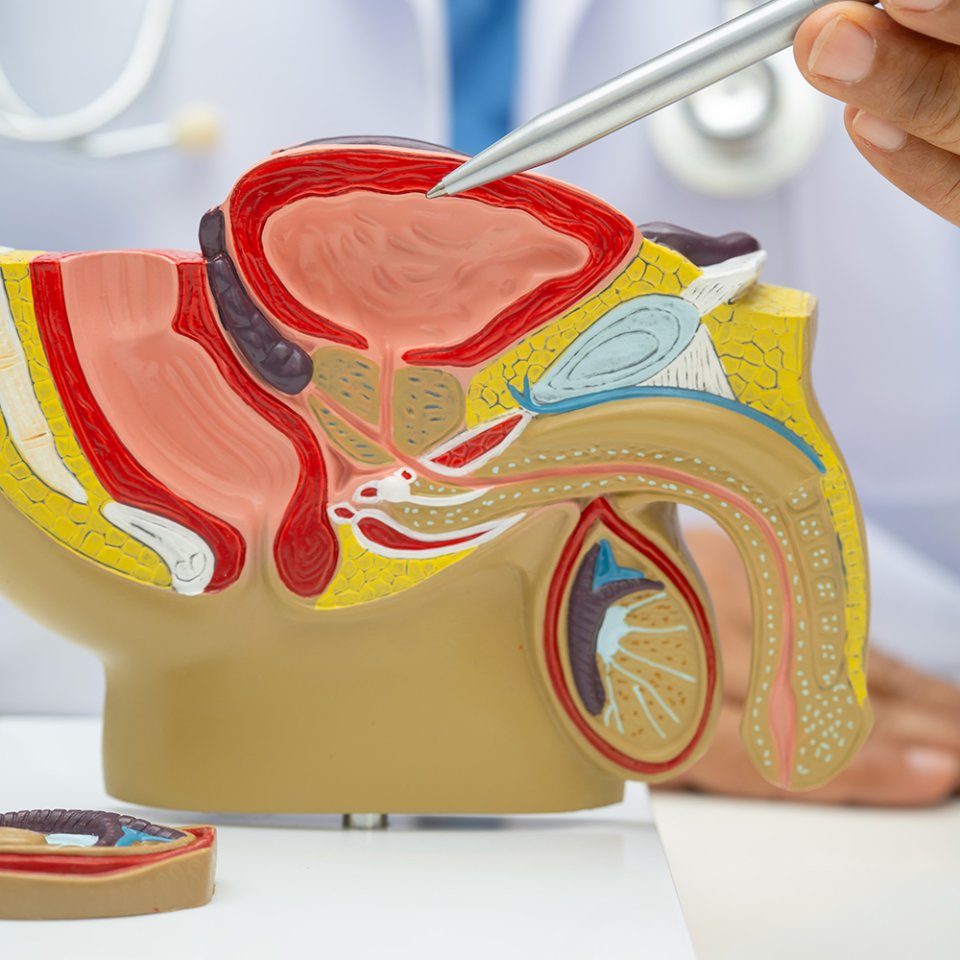
Endoscope is inserted through the urethra — no incision required
-
Stones are visualized and fragmented with laser
-
Fragments are removed using micro-baskets
-
A temporary double-J stent may be placed to prevent swelling
-
Same-day discharge or 1-night stay in most cases
Get Expert Opinion for Ureter Stone Treatment
Possible Risks & Our Preventive Measures
| Possible Risks | Our Preventive Measures |
|---|---|
| Burning during urination | Hydration & anti-inflammatory medications |
| Mild bleeding | Gentle laser technique & precise control |
| Ureteral injury | Flexible scopes & experienced surgeons |
| Infection | Prophylactic antibiotics & sterile setup |
| Stent discomfort | Short-term use & medications for relief |
| Residual fragments | Complete inspection & follow-up imaging |

Why Choose Büyük Anadolu Hospital for URS?
-
Experienced endourology team specializing in stone disease
-
Latest-generation flexible and semi-rigid ureteroscopes
-
No incisions, minimal pain, quick recovery
-
Same-day treatment availability for international patients
-
Comprehensive pre- and post-operative care
-
Affordable pricing compared to Europe, UK, and the US
-
Personalized treatment plans based on stone analysis and imaging
URS Surgery FAQ
No. The procedure is done under anesthesia, and discomfort afterward is mild.
Often yes, but it is temporary and helps prevent swelling.
Most patients resume activities in 2–3 days.
We provide metabolic evaluation to identify the cause and prevent future stones.